Introduction
Information security is a constantly evolving field. Microsoft offers enriched resources to support teams in adopting a Zero Trust security model. This new tool brings together Microsoft's traditional strategic directions while introducing modern concepts such as AI, post-quantum computing, and operational coordination for refined global security.
In this article, we will explore the essential components of the security adoption model and its modular structure, highlighting key principles, application scenarios, and indispensable technical disciplines.
The pillars of the adoption model
The security adoption model is structured around three main axes:
1. Business scenarios
Security decisions often stem from business expectations. The priority remains clear: zero data breaches. If an incident were to occur, it would be an error with serious repercussions for the business and the security officer. However, more concrete objectives can be defined:
- Identify priority areas to protect.
- Assess risks based on specific business scenarios.
- Implement robust prevention systems against known and emerging threats.
2. Security disciplines
These disciplines focus on organizational structure and technical strategies:
- Security strategy and integration: Governance, tailored architecture and strategic alignment.
- Identity and access: Ensure strict control of access rights.
- Infrastructure and software: Policy for securing cloud, hybrid or on-premises environments.
Good to know
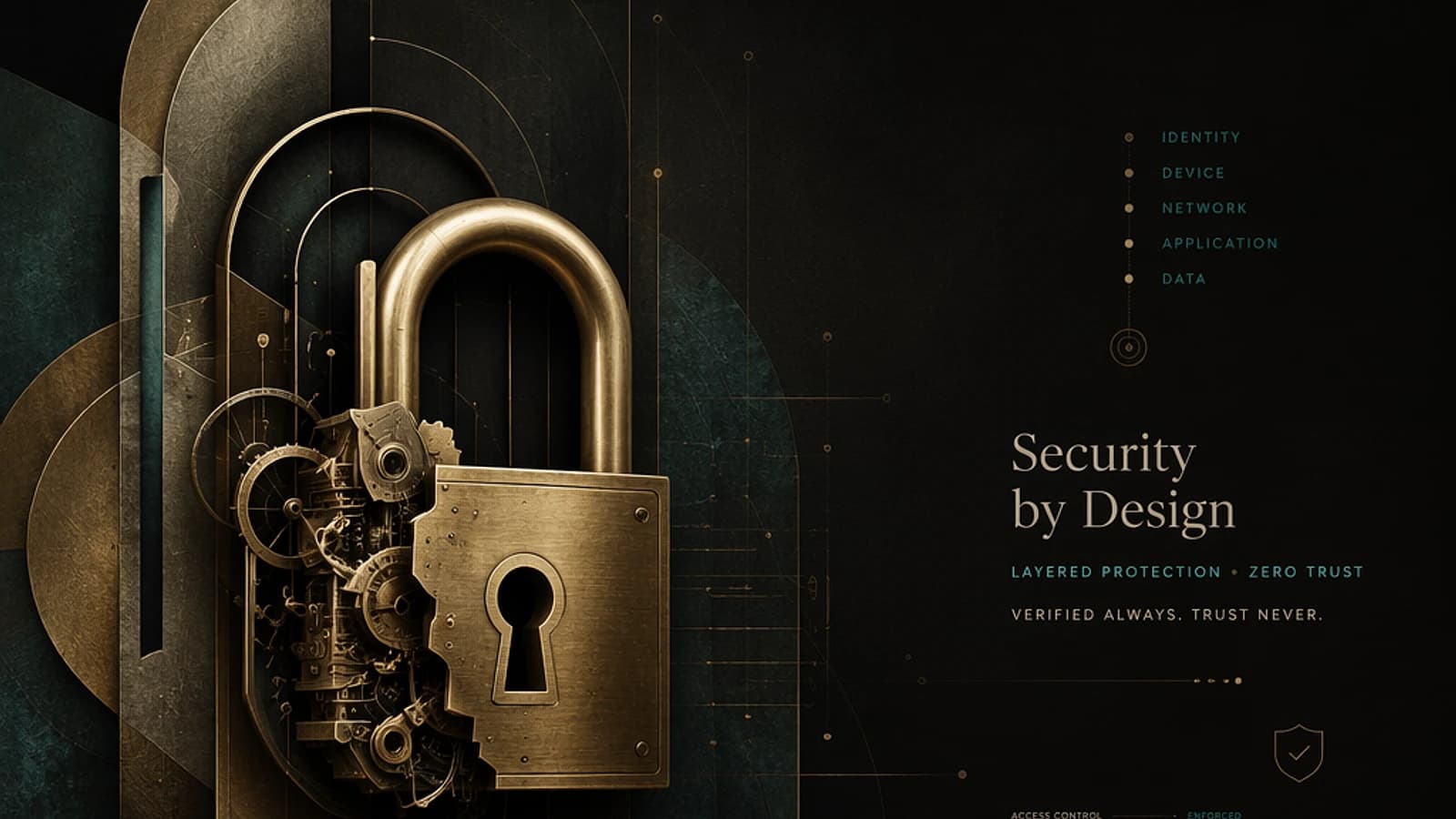
Zero Trust concepts are at the heart of these disciplines. They rely on a philosophy of strict authorization and continuous analysis.
3. Technology pillars
The technical foundations of the model include:
- Data security: Compliance with Confidentiality, Integrity, and Availability (CIA) principles.
- OT and IoT: Protect connected devices in industrial environments.
- Security Operations (SecOps): Proactive monitoring and rapid incident response.
Organizing Zero Trust adoption
The Zero Trust adoption journey can be divided into three approaches:
-
Top-down approach: Used primarily following a major breach or by the leadership decision of a new CISO. It is characterized by immediate and structured global reform.
-
Build-up approach: Begins with a pilot project with a specific objective, followed by progressive expansion of practices.
-
Scenario-driven approach: Focuses on a particular business event and adapts security tools to meet specific requirements.
Tip
For SMEs, the scenario-based approach is often more accessible and allows for targeted advances.
Planning, building and managing
To ensure successful adoption, Microsoft suggests following these three phases:
Plan
- Evaluate security needs.
- Structure governance engaging all stakeholders.
Build
- Deploy tailored Zero Trust technologies.
- Configure access controls and identity systems.
1# Example of conditional access configuration2New-AzureADPolicy -Name "ZeroTrustAccess" -Definition "{conditions}" -IsOrganizationDefault $trueManage
- Implement advanced monitoring tools such as Microsoft Defender.
- Create audit procedures and incident response processes.
Business scenarios and technology integration
Business scenarios such as AI adoption and hybrid work are practical examples illustrated in the guide. Microsoft offers tailored plans with specific technology recommendations, including the use of Microsoft Sentinel and Azure Security Center for enhanced security.
| Scenario | Approach | Technologies |
|---|---|---|
| AI adoption | Zero Trust | Microsoft Sentinel, Azure AI |
| Hybrid work | Scenario-specific | Microsoft Teams, Microsoft Defender |
| IoT management | Build-up | Azure IoT Suite, Defender for IoT |
Conclusion
Microsoft invites organizations to actively engage in their security strategies by adopting this modular and evolving model. Whether you are in the role of CISO, security architect or SOC analyst, this resource provides a solid foundation for structuring and implementing modern security practices around Zero Trust principles.
Important
Security is not an optional investment; it is essential in the face of increasingly sophisticated attacks.
To learn more, consult the guide directly and adapt the concepts to your unique organizational needs.